News
-

-

-
 This article examines food processing cleaning equipment from a 2026 compliance perspective. Itcovers four equipment categories (personnel hygiene stations, crate/tunnel washers, foam cleaningunits, and smokehouse trolley washers), water stewardship and chemical dosing strategies, regulatoryframeworks including EN 1672-2, EHEDG, 3-A, EU Regulation 852/2004, FDA Food Code and GB14881-2013, four-tier capacity planning, five industry trends, five common specification errors, and sixsupplier selection criteria.Industry Insights
 -
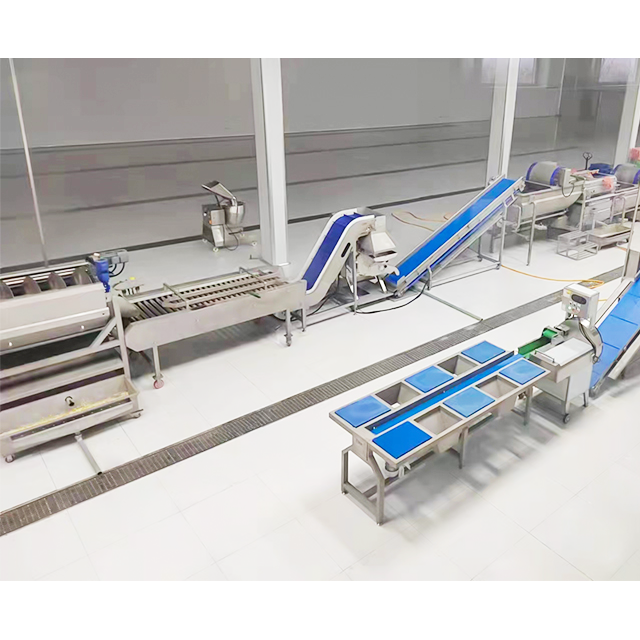
 This article explores fruit and vegetable washing line design for 2026, focusing on organic produce compliance, post-wash drying, and optical sorting. It compares bubble, brush, spray, and ultrasonic washing technologies; explains air-knife and centrifugal drying; outlines four capacity tiers; and identifies five industry trends and five common purchasing errors. The guide is written for processors serving organic, fresh-cut, and export markets who need practical, mechanical equipment selection advice.Industry Insights
 -
 Henger Manufacturing (Shandong) Machinery Technology Co., Ltd. participated in the 37th Malaysia International Machinery Fair 2026 at Kompleks MITEC, Kuala Lumpur (July 16-18, Booth N07-N08). The company showcased its complete food processing machinery portfolio — including slaughtering and meat processing equipment, fruit and vegetable processing lines, dairy and beverage systems, CIP cleaning systems, stainless steel auxiliary tools, and integrated cold storage solutions — to buyers from Malaysia and across Southeast Asia. During the three-day event, Henger received continuous booth visits, held face-to-face consultations with long-term clients, established new customer connections, and signed several on-site cooperation agreements. The exhibition marks a step in Henger's Southeast Asian market engagement, providing field-level insights into regional food manufacturing demands and reinforcing the company's turnkey project capability.Company Dynamic
 -
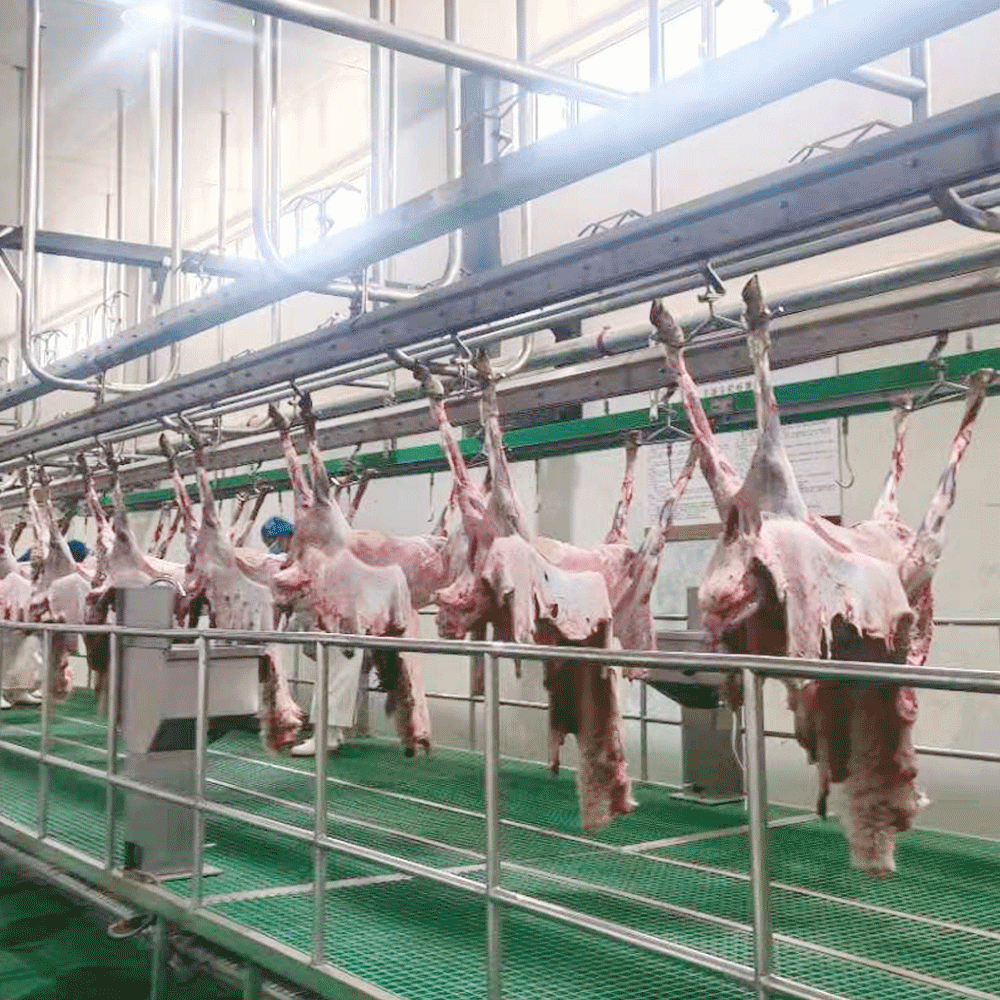
 This article examines the unique operational demands of sheep and goat slaughter lines facing seasonal demand surges — particularly during Eid al-Adha, when throughput can spike 3–5x above normal. It covers four-mode capacity planning (standard, elevated, peak, surge), small-carcass ergonomic design considerations for 20–60 kg animals, pelt processing and preservation techniques that recover significant by-product value (with the global sheep leather market valued at $21+ billion), and infrastructure for pelt collection integration. Five industry trends (ASEAN halal expansion, pelt-as-revenue recognition, smallholder aggregation, hot-climate energy efficiency, halal audit digitization) and five common design errors are analyzed, along with supplier selection criteria for seasonally-scalable equipment.Industry Insights