

SD Henger Group: What Goes Into a Modern Poultry Slaughter Line? A Practical Breakdown


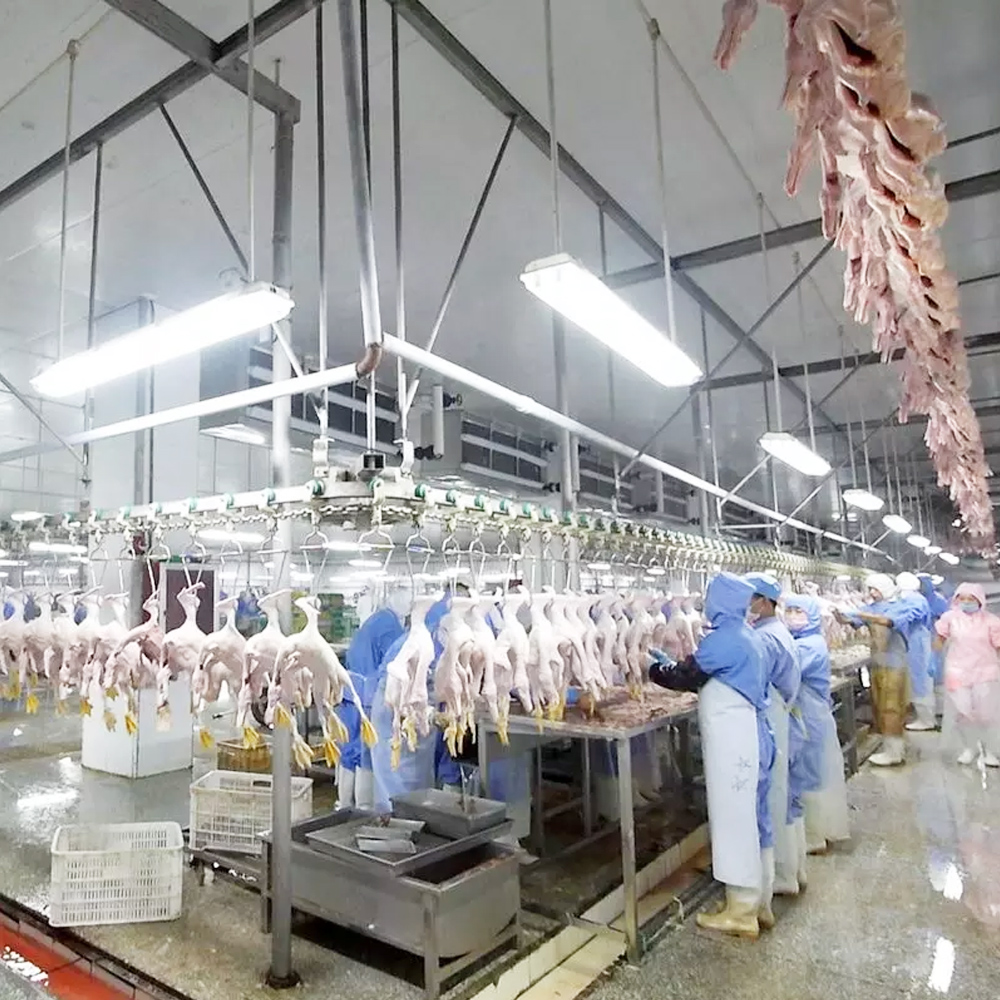
SD Henger Group: What Goes Into a Modern Poultry Slaughter Line? A Practical Breakdown
If you've ever wondered why some poultry processing operations run like clockwork while others are plagued by downtime, quality complaints, and compliance headaches — the answer almost always comes back to equipment selection and line design. At SD Henger Group, we've spent years helping processors across different markets get this right.
A poultry slaughter line isn't just a collection of machines bolted together. It's an integrated system where each stage feeds into the next, and a weak link anywhere will drag down the whole operation. Here's a clear-eyed look at how a complete line is structured, and what actually matters when you're evaluating one.
Stunning and Bleeding: Getting It Right the First Time
The stunning step is arguably the most scrutinized in any audit. Whether you're using water bath electrical stunning or controlled atmosphere stunning (CAS), the goal is the same: ensure the bird is insensible before bleeding, and keep the process consistent across every bird, every shift.
Electrical stunning has a lower upfront cost and is widely adopted, but it requires precise voltage and frequency calibration. CAS systems — typically using CO₂ — are becoming increasingly common in larger operations because they handle whole crates at once without manual shackling of live birds, which reduces wing and bone damage.
After stunning, birds are bled out at a dedicated bleeding station. Proper bleeding time (typically 90–120 seconds for broilers) matters enormously: insufficient bleeding leads to blood splashing and a shorter shelf life in the finished product.
Evisceration: Precision Matters More Than Speed
Automatic evisceration equipment has become standard in mid- to large-scale operations, but it's only as good as its calibration and the size uniformity of the birds running through it.
The critical risk in evisceration is intestinal puncture. A ruptured gut releases fecal material onto the carcass surface — an immediate contamination event that triggers additional decontamination steps, increases water and chemical usage, and can trigger regulatory failures on-line inspection.
Modern evisceration lines include in-line inspection systems — a combination of trained line inspectors and, increasingly, camera-based automated systems — that flag and divert suspect carcasses before they reach packaging.
Edible offal (hearts, livers, gizzards) and inedible byproducts are handled on separate lines, with clear physical separation to prevent cross-contamination.
Cutting, Portioning, and Packaging
Once chilled, whole birds are either dispatched as-is or broken down into portions — breast fillets, thigh quarters, wings, drumsticks — depending on the market.
Automated portioning equipment (band saws, deboning machines, fillet separators) has improved dramatically in the last decade. Vision-guided robots are now capable of handling variably sized birds with a level of precision that was previously only achievable by skilled human butchers.
Packaging selection — vacuum pack, modified atmosphere (MAP), tray seal — should be driven by shelf life requirements and cold chain reliability in your distribution network. Every packaging decision affects how the product looks at point of sale and how long it stays within acceptable quality limits.
SD Henger's Final Thoughts
A poultry slaughter line is a long-term capital commitment. The machines you select today will run — or cause headaches — for the next 10 to 15 years. Getting the specification right at the start, with a supplier who understands both the technical requirements and the regulatory environment in your target market, is worth the extra time spent in the evaluation phase.
At SD Henger Group, we design and manufacture complete poultry slaughter lines from live bird receiving through to packaging, with equipment tailored to your capacity, market, and compliance requirements. Contact us to discuss your project requirements or request a line layout proposal.
Tags: poultry slaughter line, chicken processing equipment, poultry abattoir, automatic plucking machine, evisceration equipment, food processing machinery
Related News
-
-
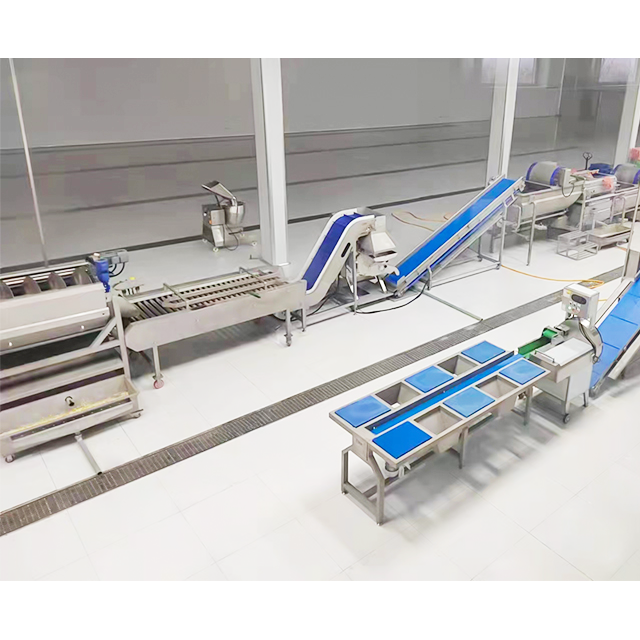 This article explores fruit and vegetable washing line design for 2026, focusing on organic produce compliance, post-wash drying, and optical sorting. It compares bubble, brush, spray, and ultrasonic washing technologies; explains air-knife and centrifugal drying; outlines four capacity tiers; and identifies five industry trends and five common purchasing errors. The guide is written for processors serving organic, fresh-cut, and export markets who need practical, mechanical equipment selection advice.Industry Insights
 -
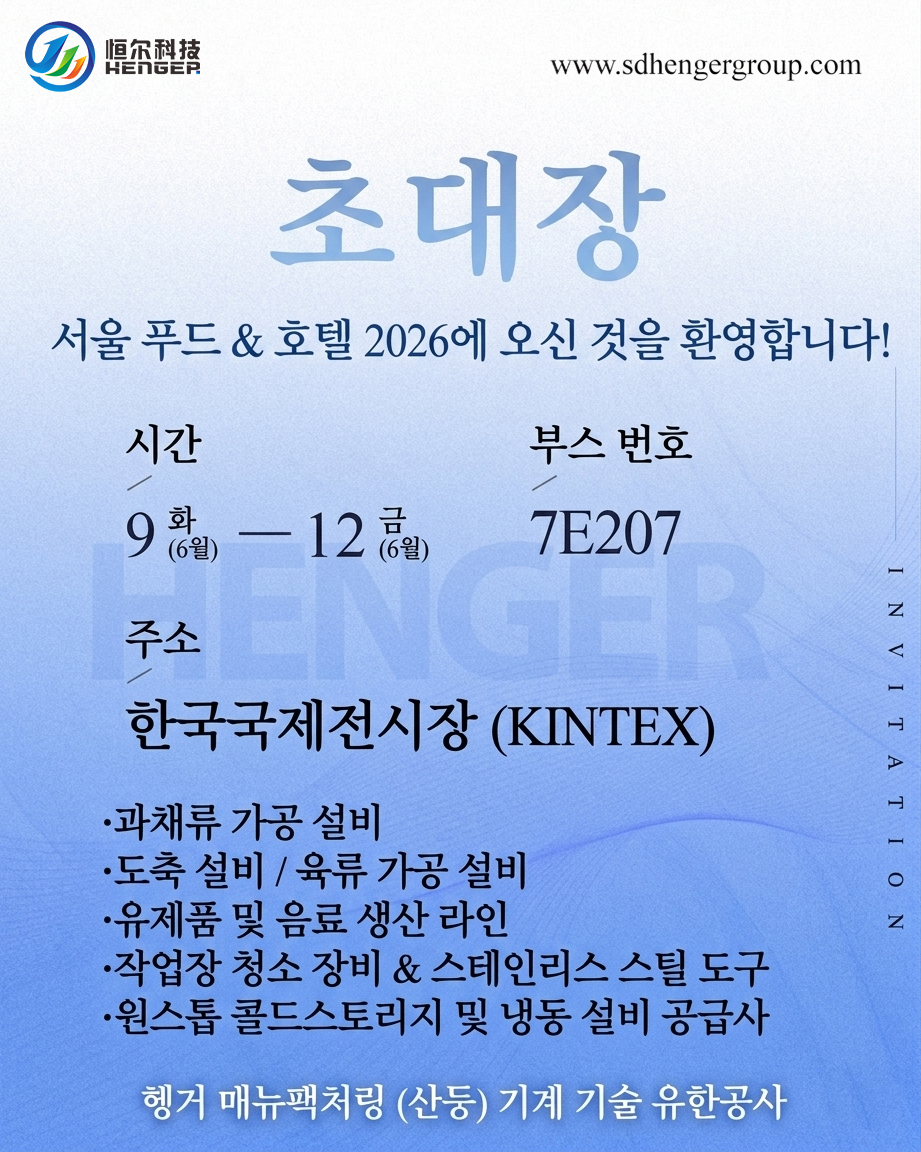 You're Invited: Meet Henger at Seoul Food & Hotel 2026!안녕하세요,We are thrilled to invite you to connect with Henger Manufacturing (Shandong) Machinery Technology Co., Ltd. at the upcoming Seoul Food & Hotel 2026, the premier food processing and hospitality industry event in South Korea! Event DatCompany Dynamic
