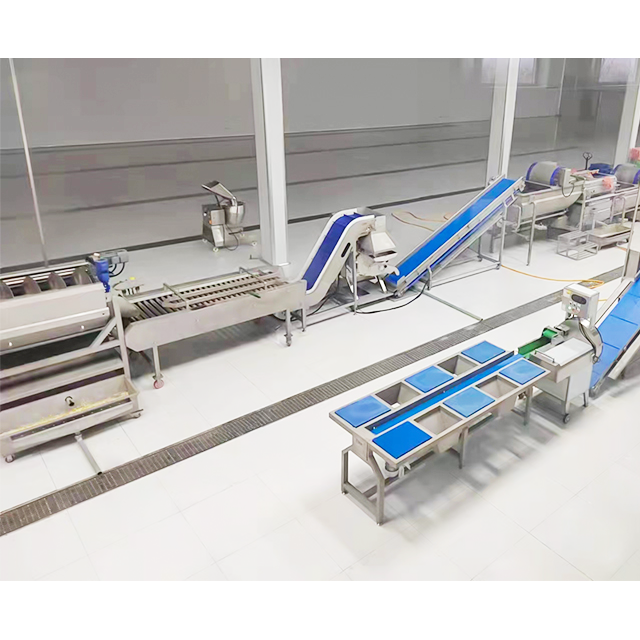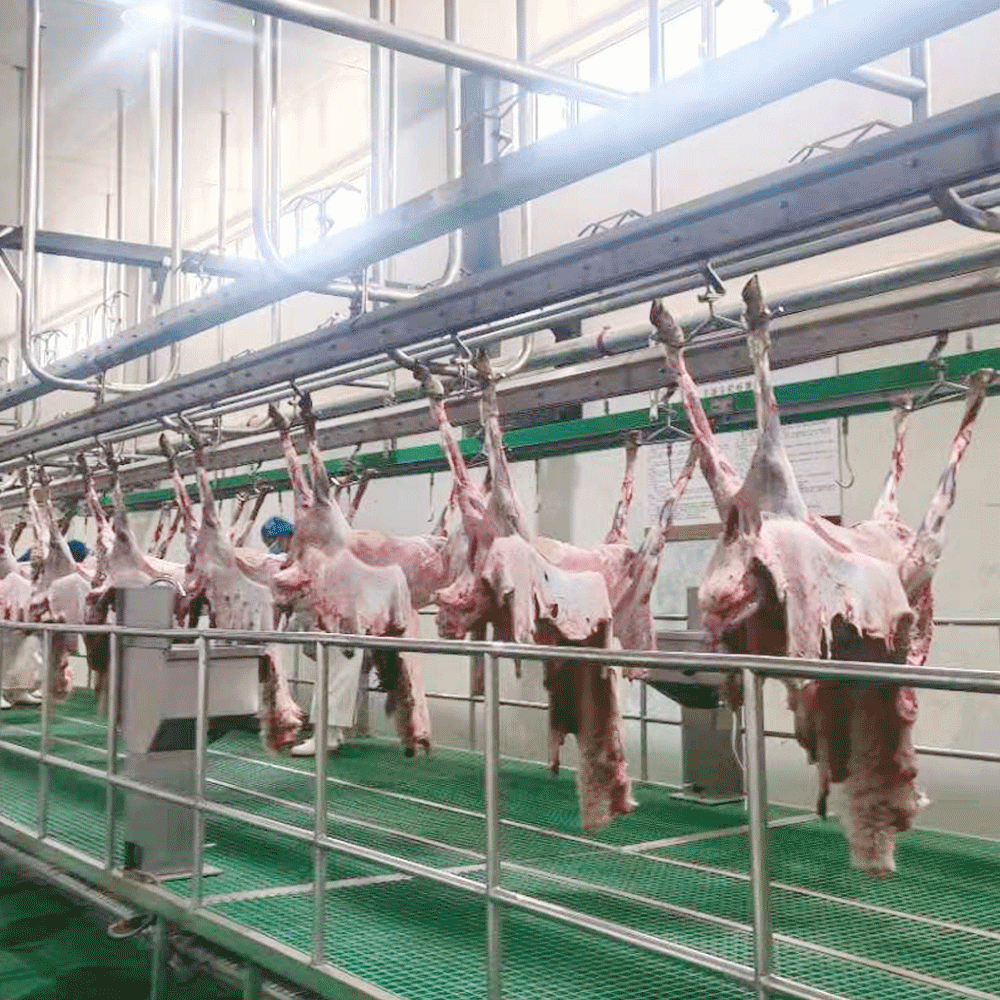
The global sheep and goat meat market exceeded $73 billion in 2026, growing at a compound annual growth rate of 5.1% as demand for premium lamb, mutton, and goat meat surges across the Middle East, Africa, Southeast Asia, and beyond. Behind every efficiently operating abattoir is a precisely engineered sheep and goat slaughter equipment line—and choosing the right system can mean the difference between a operation that struggles to meet demand and one that processes hundreds of animals per hour with zero downtime.
Whether you are starting a new lamb abattoir, upgrading an existing goat processing facility, or expanding your export-grade halal slaughterhouse, this guide walks you through every stage of the sheep and goat slaughter process, the equipment that powers it, and the key decisions that will define your operation's performance for the next decade.
Why Sheep & Goat Slaughter Equipment Demand Is Surging in 2026
Three converging forces are driving unprecedented investment in sheep and goat processing infrastructure:
- Halal meat market growth: The global halal meat market is expanding at 4.5% CAGR, with the Middle East & Africa region accounting for the largest share. Countries like Saudi Arabia, the UAE, Iran, and Egypt collectively import millions of tonnes of sheep and goat meat annually—and domestic production is racing to keep pace.
- Export market requirements: Premium export markets in the Gulf Cooperation Council (GCC), North Africa, and Southeast Asia demand halal-certified carcasses processed under strict hygiene protocols. This has forced abattoirs to invest in modern sheep slaughter equipment that meets international standards.
- Automation to address labor shortages: Labor costs in meat processing have risen sharply in every major producing region. Automated sheep and goat slaughter lines reduce dependency on skilled workers while improving throughput consistency and food safety compliance.
Key Market Data: Sheep & Goat Processing in 2026
- Global sheep & goat meat market: $73.37 billion (2033 forecast), CAGR 5.1%
- MEA meat, poultry & seafood processing equipment market: $717.65M (2024) → $982.16M (2031)
- Halal meat market growth: +USD 263.3 million expected during 2026–2030
- Middle East sheep & goat meat production gap: significant structural deficit driving imports
Understanding the Sheep & Goat Slaughter Process: 8 Stages
A modern sheep and goat abattoir processes animals through a carefully sequenced line. Each stage requires purpose-built sheep slaughter equipment designed for the anatomical and behavioral characteristics of small ruminants—smaller frames, lighter carcasses (typically 20–60 kg), and a high proportion of Halal-certified output compared to cattle or pig operations.
Stage 1: Live Animal Reception & Ante-Mortem Inspection
The process begins the moment livestock arrive at the facility. Animals are unloaded from transport vehicles into dedicated reception pens designed to accommodate sheep and goats comfortably. Key equipment at this stage includes:
- Livestock reception ramps: Low-gradient, non-slip ramps with side rails to prevent injury during unloading—critical for smaller breeds like Dorper, Katahdin, or Boer goats
- Weighbridges and animal scales: On-site weighing systems to record batch weights for traceability and payment purposes
- Ante-mortem inspection corridor: A narrow, single-file passage allowing veterinary inspection of each animal before it enters the lairage
The lairage (holding area) should provide clean water, shade or shelter, and enough space for animals to rest comfortably before stunning. Stress-free animals produce better-quality carcasses with lower pH decline rates.
Stage 2: Stunning
Stunning renders animals insensible to pain before the cut. For sheep and goats, two primary stunning methods are used:
| Stunning Method | Description | Best For | Halal Compliance |
|---|---|---|---|
| Captive Bolt Stunning | Pneumatic or cartridge-powered device fires a bolt into the skull, causing immediate unconsciousness | High-throughput lines, large breeds (Merino, Suffolk, Texel) | Generally accepted; varies by certification body |
| Electrical Stunning | Low-voltage current applied across the brain via tongs; causes instant loss of consciousness | Medium-throughput lines, smaller breeds, export halal operations | Widely accepted in halal certification |
| No Stunning (Manual Cut) | Animal remains conscious; neck cut performed by trained slaughterman immediately | Strict halal abattoirs serving Muslim markets | Required for some halal certifications |
Modern sheep slaughter equipment lines often incorporate automatic stunning pens where animals are individually restrained in a V-conveyor before the stunning cycle triggers. This reduces worker fatigue and improves consistency.
Stage 3: Bleeding (Exsanguination)
After stunning, animals are hung by the hind legs on an overhead rail conveyor system and bled out using a single swift cut across the throat (esophagus and trachea severed simultaneously). Proper bleeding is critical:
- Minimum 90 seconds bleeding time before skinning begins
- Blood collection troughs or vacuum systems for hygienic blood capture (used in some markets for blood products)
- Directional bleeding channels prevent cross-contamination between carcasses
Sheep & Goat Slaughter Equipment: Capacity Reference Table
| Line Type | Throughput | Recommended Equipment | Typical Market |
|---|---|---|---|
| Small-Scale Manual | 50–100 heads/hour | Manual rail, simple bleed table, hand tools | Local butcher shops, rural cooperatives |
| Semi-Automatic Line | 100–300 heads/hour | V-conveyor stunning pen, overhead rail, skinning cradle | Regional abattoirs, mid-size processors |
| Fully Automatic Line | 300–500+ heads/hour | Auto stunning pen, V-rail conveyor, skinning machine, evisceration robot | Export-grade halal plants, industrial processors |
Stage 4: Skinning (Dehiding)
Sheep and goat carcasses are smaller and more delicate than cattle, requiring careful skinning to avoid puncture or carcass damage. Equipment includes:
- Overhead rail skinning cradles: Adjustable cradles that hold the carcass at the optimal angle for both front and hind leg skinning
- Pneumatic skinning knives: Lightweight air-powered knives that reduce operator fatigue on high-volume lines
- Automatic dehiding machines: For larger operations, mechanical hide/skin pullers apply controlled tension to remove the pelt in a single smooth motion, reducing labor by up to 60%
Sheep hides and goat skins have significant commercial value in the leather industry—proper removal and collection can represent an additional revenue stream for abattoirs.
Stage 5: Evisceration (Offal Removal)
The evisceration stage involves the removal of internal organs (pluck: lungs and trachea; stomachs and intestines; liver; spleen; kidneys). For halal abattoirs, this stage is particularly sensitive as the offal must be inspected and declared fit for human consumption.
Key sheep slaughter equipment at this stage:
- Evisceration tables: Sanitary stainless steel tables for manual organ inspection and separation
- Automatic evisceration systems: Mechanical extractors that remove the pluck and offal in a single controlled motion, minimizing contamination risk
- Offal washing tunnels: High-pressure water spray systems that clean organs before inspection or packaging
- Organ separation conveyors: Dedicated lines that transport each organ type to separate processing or chilling areas
Stage 6: Carcass Splitting & Trimming
Sheep and goat carcasses may be split down the spine for easier chilling and portioning, or left whole depending on market requirements. This stage includes:
- Carcass splitting saws: Bandsaws designed for the sheep spine (narrower than cattle); many models feature automatic blade tensioning and splash guards
- Automatic trimming stations: Where excess fat, bruises, or condemned tissue is removed by inspectors or trim operators
- Carcass grading systems: Vision-based systems that assess fat coverage and carcass conformation against market standards (EUROP classification, for example)
Stage 7: Carcass Washing & Final Inspection
Before chilling, carcasses are washed to remove any remaining blood, bone fragments, or contamination. Modern wash systems use potable water at controlled pressure to ensure thorough yet gentle cleaning. A final veterinary inspection checks for:
- Residual contamination or bruising
- Signs of systemic disease in organs and lymph nodes
- Carcass cleanliness and compliance with hygiene standards
Stage 8: Chilling & Cold Storage
The final stage before dispatch: carcasses must be chilled to an internal temperature of 4°C or below within 24 hours (EU regulation) or frozen to -18°C for export shipments. Key equipment includes:
- Blast chillers: Capable of reducing carcass surface temperature from 38°C to 4°C within 4–6 hours, critical for preventing bacterial growth
- Impingement chillers: High-velocity cold air systems that achieve rapid surface chilling while minimizing weight loss
- Chilling rooms: Insulated cold rooms maintained at 0–4°C with humidity control to prevent excessive weight loss during extended storage
Halal Compliance in Sheep & Goat Slaughter Equipment
For abattoirs targeting Muslim-majority markets, halal compliance is not optional—it is a core business requirement. A halal-compliant sheep slaughter equipment line must address several specific requirements:
- Slaughterman certification: The person performing the cut must be a Muslim who has recited the Tasmiya (bismillah) at the time of slaughter
- Sharp blade requirement: The cutting blade must be extremely sharp to sever the throat in a single smooth action with minimal suffering; automated blade sharpening systems ensure consistent sharpness
- No stunning override: For strict halal certification, stunning must be bypassed entirely; sheep slaughter equipment lines must support manual-only configurations
- Separate processing: Halal and non-halal carcasses must be physically separated throughout the chilling and storage stages
- Traceability: Each carcass must be traceable from the live animal to the final packaged product through integrated RFID or barcode tracking systems
Key Selection Factors When Choosing Sheep & Goat Slaughter Equipment
With so many equipment configurations available, making the right choice requires evaluating several critical factors:
| Selection Factor | Why It Matters | Recommendation |
|---|---|---|
| Throughput Target | Determines line speed, automation level, and staffing | Start with your 3-year projected volume; build capacity with modular expansion in mind |
| Halal vs. Conventional | Affects stunning configuration, separation protocols, and certification costs | Non-negotiable from day one—retrofitting is costly |
| Target Market | Export markets demand higher hygiene standards and traceability | EU/USDA markets require SS304 stainless steel, HACCP compliance, full traceability |
| Local Breed Characteristics | Carcass size and frame vary significantly across breeds | Equipment must be adjustable for carcasses from 15kg (kid goats) to 65kg (Merino wethers) |
| Labor Availability | Fully manual lines are cheaper upfront but costlier long-term | Automated skinning and evisceration pay back in 18–36 months through labor savings |
Emerging Trends in Sheep & Goat Slaughter Equipment Technology
The sheep and goat processing industry is embracing technologies previously reserved for larger livestock:
- AI-powered carcass vision systems: Machine learning algorithms trained on thousands of sheep carcasses now detect bruises, fat coverage, and contamination with accuracy exceeding 95%—reducing reliance on human inspectors
- V-type rotary slaughter lines: A new generation of V-rail conveyors with integrated rotary dressing positions allows a single operator to perform multiple skinning steps without repositioning the carcass, increasing productivity by 30–40%
- Modular abattoir containers: Prefabricated, containerized sheep slaughter lines that can be shipped and installed in remote locations or emerging markets—this is particularly relevant for African nations building domestic processing capacity
- IoT-enabled equipment monitoring: Real-time tracking of blade sharpness, conveyor speed, refrigeration performance, and stunning parameters via cloud-connected sensors—enabling predictive maintenance and regulatory compliance reporting
5 Common Mistakes When Setting Up a Sheep & Goat Slaughter Line
- Underestimating lairage design: Sheep and goats are highly susceptible to heat stress and transport stress. A poorly designed lairage with inadequate ventilation leads to dark, firm, and dry (DFD) carcasses with shortened shelf life
- Choosing stunning equipment incompatible with halal certification: Many abattoirs discover post-installation that their stunning equipment does not meet the requirements of their target halal certification body—requiring costly reconfiguration
- Skimping on chilling capacity: The chilling stage is the single biggest determinant of shelf life and meat quality. Under-investing in chilling equipment forces prolonged exposure at ambient temperature, accelerating bacterial growth
- Ignoring traceability from day one: Export markets and modern retail increasingly require full farm-to-fork traceability. Retrofitting a traceability system into an existing line is far more expensive than building it in from the start
- Not planning for breed variation: Designing a line around average-weight carcasses and then processing small Katahdin kids or large Suffolk rams creates bottlenecks and quality inconsistencies. Equipment adjustability is essential
Why Work With a Turnkey Sheep & Goat Slaughter Equipment Supplier?
Building a modern sheep and goat abattoir involves dozens of interlocking systems—from stunning and bleeding to chilling and waste management. A turnkey supplier who understands the entire process offers significant advantages:
- Single-point responsibility: One vendor owns the entire system performance rather than dealing with multiple equipment suppliers pointing fingers when problems arise
- Process optimization across stages: A supplier who designs the line holistically can optimize throughput, worker ergonomics, and hygiene at every transition point
- Local market expertise: Suppliers with experience in your target export market understand the specific halal certification requirements, chilling standards, and packaging regulations that apply
- Training and after-sales support: Comprehensive operator training, commissioning, and ongoing technical support ensure your team operates the equipment at full efficiency from day one
Ready to Build Your Sheep & Goat Slaughter Line?
SD Henger Group designs and manufactures complete sheep and goat slaughter equipment lines for export-grade halal abattoirs worldwide. From 50 heads per hour to 500+, our team provides custom engineering, installation supervision, and after-sales technical support across 100+ countries.
Tell us about your project—target market, throughput, and halal certification requirements—and our engineering team will prepare a customized equipment specification and layout plan for your review.
Get Your Custom Sheep Slaughter Line QuoteConclusion
The sheep and goat meat market is growing faster than ever, driven by rising global demand for halal protein, premium lamb, and goat meat. Investing in the right sheep slaughter equipment is not just about throughput—it is about quality, compliance, food safety, and long-term operational sustainability.
Whether you are processing 50 lambs per day for a local market or 500 head per hour for international export, the fundamentals remain the same: humane stunning or slaughter, rigorous hygiene at every stage, proper chilling, and full traceability. By understanding the eight stages of the sheep and goat slaughter process and the equipment that powers each one, you are better equipped to make informed decisions that will define your facility's success for years to come.
For a detailed discussion of your specific requirements—throughput, target market, halal certification body, or budget—reach out to our team. We look forward to helping you build a world-class sheep and goat processing operation.