

Complete Pig Slaughter Equipment Solutions: From Stunning To Carcass Processing in 2026


Complete Pig Slaughter Equipment Solutions: From Stunning to Carcass Processing in 2026
The global pork industry is processing more animals than ever before. China alone produced approximately 28.66 million hogs slaughtered in 2025, with production increasing 4.2% in Q1 2026 according to industry reports. Behind every efficiently run hog abattoir is a carefully engineered pig slaughter equipment line that determines throughput, product quality, animal welfare compliance, and ultimately, profitability.
Whether you are planning a new pig slaughterhouse, upgrading an existing facility, or sourcing pig processing machinery for the first time, understanding the full pig slaughter equipment landscape in 2026 is essential. This guide walks you through each stage of the modern pig abattoir line, the key equipment choices available, and the factors driving technology adoption worldwide.
Why Pig Slaughter Equipment Investment Is Growing in 2026
The numbers tell a compelling story. The global pork market is valued at approximately $262.3 billion in 2026 and is projected to reach $338.8 billion by 2035, growing at a compound annual growth rate (CAGR) of 3%. This sustained demand is driving massive investment in slaughter infrastructure, particularly in Asia, Africa, and Southeast Asia where pork consumption is highest.
Simultaneously, the global CO2 stunning systems market, a cornerstone of modern pig abattoir operations, is valued at $627 million in 2025 and expected to reach $842 million by 2030 (QYResearch, March 2026). This growth reflects the continued global shift toward humane and efficient pig stunning technologies.
Three converging forces are reshaping pig slaughterhouse equipment decisions:
- Labor shortages — The meat processing sector faces turnover rates exceeding 50% within 90 days in many markets, pushing plants toward automation.
- Animal welfare regulations — Stringent welfare standards in the EU, UK, and export markets are forcing abattoirs to upgrade stunning equipment.
- Food safety requirements — Traceability mandates and hygiene standards demand precision-controlled processing lines.
The 8 Key Stages of Modern Pig Slaughter Equipment Lines
A complete pig slaughter equipment line typically covers eight core processing stages, from live animal reception to finished carcass output. Each stage requires specialized machinery that integrates with adjacent operations.
1. Pig Reception & Lairage
Before pigs enter the processing line, they are held in lairage facilities designed to reduce stress and allow rest. Properly designed lairage pens, watering systems, and handling ramps minimize pre-slaughter stress, which directly impacts meat quality. Stress-free pigs produce higher-quality meat with better pH levels and reduced PSE (Pale, Soft, Exudative) occurrences.
2. Pig Stunning Systems
Stunning is arguably the most critical equipment decision in any pig abattoir. The method chosen affects animal welfare compliance, meat quality, and regulatory acceptance in your target markets.
CO2 Stunning Systems are the most widely adopted method for pig stunning globally. Pigs are conveyed into a controlled-atmosphere chamber filled with a pre-mixed gas (typically 60–90% CO2), causing loss of consciousness within 15–25 seconds. CO2 stunning is considered highly reliable and allows for group handling, reducing stress compared to individual handling.
However, scientific debate continues. The UK Animal Welfare Committee (AWC) has called for reduced use of high-concentration CO2 stunning, and researchers are actively seeking humane alternatives. Some plants are exploring argon or mixed-gas systems that achieve unconsciousness without the respiratory distress associated with CO2.
Three-Point Electric Stunning is a patented technology that applies electrical current across three contact points on the pig's body. It provides immediate unconsciousness and is widely used in plants serving markets where CO2 systems face regulatory or market resistance. This method is particularly common in small-to-medium capacity pig slaughterhouses.
3. Bleeding (Sticking)
Following stunning, pigs are suspended on overhead rail systems (primary processing line) and bled out via a single incision to the jugular vein and carotid artery. Automated bleeding conveyors maintain consistent throughput and ensure complete exsanguination, which is essential for both product quality and shelf life.
4. Scalding & Dehairing
After bleeding, pig carcasses pass through a scalding tank — a hot water bath typically maintained at 58–63°C for 3–6 minutes. Scalding softens the hair and epidermal layer for subsequent removal.
Automated dehairing machines use rotating rubber fingers, brushes, and scraping blades to remove hair and scurf from the carcass surface. Modern dehairing equipment achieves removal rates exceeding 98% in a single pass, significantly reducing manual finishing labor. Dehairing machines are available in single-pass and multi-pass configurations to match different production capacities.
5. singeing & Polishing
Singeing torches or flame units eliminate residual hair and sterilize the carcass surface. Polishing drums fitted with abrasive materials then produce a clean, smooth carcass finish. This stage is critical for meeting hygiene standards and visual product quality requirements in retail and export markets.
6. Evisceration
Evisceration — the removal of internal organs — is performed manually or with assisted mechanical systems on the primary rail. Complete evisceration requires trained operators or specialized evisceration machinery. Offal (viscera) is separated for inspection, and organ meats are collected for further processing or direct sale.
7. Carcass Splitting & Inspection
The pig carcass is split longitudinally into two halves using a carcass splitting saw. This step is standard practice for pork carcasses to facilitate cooling, portioning, and merchandising. Split saws can be manual hanging saws or automated rail-mounted splitting machines.
Post-split inspection includes carcass grading, contamination checks, and pathogen sampling. Several pork exporting nations require government inspector oversight at this stage (e.g., USDA inspection in the US, EU vet inspection).
8. Chilling & Further Processing
Carcasses enter blast chillers or conventional chillers to rapidly reduce internal temperature to below 4°C. Proper chilling is essential for food safety and shelf life. From the chiller, carcasses move to the secondary processing area where they are broken down into wholesale cuts, processed into value-added products, or packaged for retail distribution.
Pig Stunning Technology Comparison: 2026 Market Options
| Technology | Stunning Method | Key Advantage | Best Suited For | Animal Welfare Rating |
|---|---|---|---|---|
| CO2 Stunning | Controlled atmosphere (60–90% CO2) | High throughput, group handling | Large-scale pig abattoirs | Moderate (respiratory distress concern) |
| Three-Point Electric | Electrical current via 3 probes | Immediate unconsciousness, low cost | Small-to-medium plants | High (when correctly applied) |
| Head-Only Electric | Electrical current to head only | Simple equipment | Low-volume operations | Moderate (risk of recovery) |
| Argon/Mixed Gas | Low-oxygen atmosphere | Most humane atmosphere method | Premium welfare markets | High |
Production Capacity Reference: Pig Slaughter Lines
| Capacity Tier | Hourly Throughput | Recommended Equipment | Investment Range |
|---|---|---|---|
| Small-Scale | 20–50 pigs/hour | Manual/semi-auto stunning, single dehairing drum | $50,000–$150,000 |
| Medium-Scale | 50–150 pigs/hour | Electric stunning line, automated dehairing, split saw | $150,000–$500,000 |
| Large-Scale | 150–400 pigs/hour | CO2 stunning system, multi-pass dehairing, full automation | $500,000–$1,500,000 |
| Industrial | 400+ pigs/hour | Custom CO2/split-gas systems, full robotic processing | $1,500,000+ |
Key Selection Factors for Pig Slaughter Equipment
Choosing the right pig slaughterhouse equipment involves balancing multiple factors:
- Target market regulations — EU, US, and Halal markets have specific animal welfare and hygiene requirements that dictate equipment choices.
- Throughput requirements — Equipment must be matched to your daily and seasonal processing volumes.
- Labor availability — Markets with high labor costs favor automation; regions with abundant labor may prioritize capital efficiency.
- Meat quality standards — PSE reduction and pH control require proper stunning, scalding temperature control, and chilling systems.
- Maintenance and spare parts — Consider local service availability and spare parts access for critical equipment.
Emerging Trends in Pig Slaughter Equipment: 2026 and Beyond
AI-Powered Robotic Systems
Chinese researchers from Henan Province published groundbreaking work in Nature (October 2025) on AI-guided robotic systems for pig carcass handling, including automated carcass transfer and grading. A ScienceDirect review (January 2026) on Meat Industry 5.0 further confirmed that robotic automation in red meat processing is transitioning from laboratory demonstrations to commercial deployment.
Meat Industry 5.0 Integration
The concept of Meat Industry 5.0 — integrating human-robot collaboration, IoT sensor networks, and real-time data analytics into slaughterhouse operations — is gaining traction. Key applications include automated quality grading, predictive equipment maintenance, and real-time traceability from farm to fork.
Welfare-Driven Technology Shifts
Pressure from welfare organizations and changes to EU and UK regulations are accelerating the adoption of argon-based and multi-gas stunning systems as alternatives to high-concentration CO2. Plants serving premium markets are increasingly investing in welfare-compliant stunning as a market differentiator.
Common Mistakes When Purchasing Pig Slaughter Equipment
- Under-specifying capacity — Choosing equipment for current throughput without planning for growth leads to expensive upgrades within 3–5 years.
- Ignoring spare parts availability — Imported equipment with long lead times for spare parts can cause extended production downtime.
- Overlooking scalding temperature control — Inconsistent scalding temperatures cause hair retention, skin damage, and reduced product quality.
- Skipping welfare compliance verification — Equipment that fails to meet animal welfare standards can result in export market bans and regulatory shutdowns.
- Neglecting chilling capacity — Insufficient chiller capacity leads to quality degradation and food safety risks when throughput peaks.
Frequently Asked Questions
What is the most humane pig stunning method in 2026?
Argon and low-oxygen mixed-gas stunning systems are considered among the most humane as they induce unconsciousness without the respiratory distress associated with CO2. However, CO2 stunning remains the most widely used commercially due to its throughput efficiency and regulatory acceptance in most markets.
How much does a complete pig slaughter equipment line cost?
A complete pig slaughter equipment line ranges from approximately $50,000 for small-scale semi-automated operations to over $1.5 million for fully automated high-capacity industrial lines. The investment depends on throughput requirements, automation level, and specific market compliance needs.
What is the ideal scalding temperature for pig dehairing?
The recommended scalding temperature range is 58–63°C. At this temperature range, the hair and epidermal layer loosen effectively without damaging the skin. Scalding times typically range from 3–6 minutes depending on the specific equipment and pig breed.
Can pig slaughter equipment be customized for Halal compliance?
Yes. Many pig slaughter equipment suppliers offer Halal-compliant configurations that include manual sticking stations, welfare-approved stunning systems, and dedicated evisceration lines. For facilities processing both Halal and conventional pork, dedicated production windows and equipment separation protocols are essential.
What maintenance is required for pig slaughter equipment?
Pig slaughter equipment requires daily cleaning (CIP — Clean-In-Place systems are recommended), weekly mechanical inspections of moving parts, monthly lubrication of bearings and drives, and annual professional servicing of stunning systems, conveyors, and refrigeration equipment.
Ready to equip your pig slaughter operation with reliable, high-performance machinery?
Serving pig slaughterhouse projects across 100+ countries with comprehensive equipment solutions and technical support.
Related News
-
-
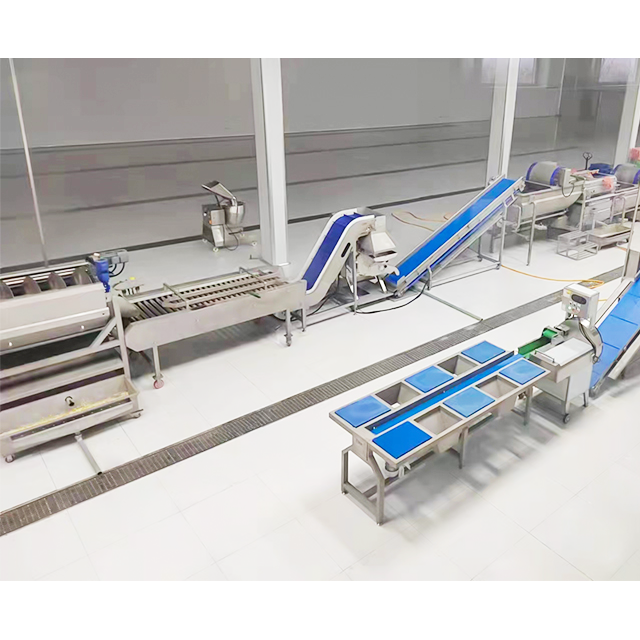 This article explores fruit and vegetable washing line design for 2026, focusing on organic produce compliance, post-wash drying, and optical sorting. It compares bubble, brush, spray, and ultrasonic washing technologies; explains air-knife and centrifugal drying; outlines four capacity tiers; and identifies five industry trends and five common purchasing errors. The guide is written for processors serving organic, fresh-cut, and export markets who need practical, mechanical equipment selection advice.Industry Insights
 -
 You're Invited: Meet Henger at Seoul Food & Hotel 2026!안녕하세요,We are thrilled to invite you to connect with Henger Manufacturing (Shandong) Machinery Technology Co., Ltd. at the upcoming Seoul Food & Hotel 2026, the premier food processing and hospitality industry event in South Korea! Event DatCompany Dynamic
